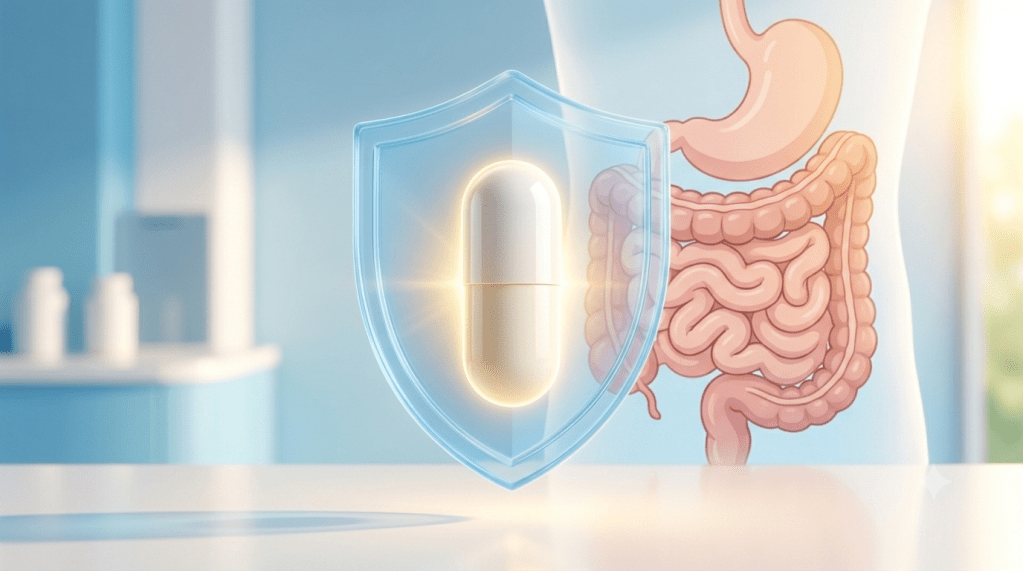
When a promising new medicine is being developed, safety is always the top priority. Recently, there were some concerns about a new pill for ulcerative colitis (UC) called obefazimod. However, fresh data released this month has provided a huge sigh of relief for patients and doctors alike, showing that the drug does not appear to increase the risk of cancer.
What Does the Research Show?
This was a large-scale analysis based on the “totality” of safety data from both Phase 2 and Phase 3 clinical trials. It included more than 1,700 “patient-years” of exposure (a way of measuring the combined time all patients in the study took the drug).
Researchers were investigating whether the drug caused “malignancies” (cancers). The results, published by the biotechnology company Abivax, showed:
- No Extra Risk: The rates of cancer in patients taking obefazimod were no higher than the “background rate” already seen in people with ulcerative colitis.
- Understanding the “Background”: People with UC already have a slightly higher risk of colorectal cancer because of long-term inflammation. This study confirmed the drug itself wasn’t adding any new danger on top of that.
- Addressing High Doses: Earlier worries began when a few cases were spotted in patients on the highest doses, but this larger look at the data has cleared those concerns.
How Does Obefazimod Work?
Unlike standard biologics that you might take via an infusion or injection, obefazimod is a pill. It works by boosting a specific molecule in your body called “microRNA-124”. This molecule acts like a natural dimmer switch, turning down the biological signals that cause your gut to become inflamed.
Why This Matters to You as a Patient
If you are living with ulcerative colitis and find that current treatments aren’t working, or you are tired of needles, this update is very important for several reasons:
- A Potential Oral Alternative: Obefazimod is being viewed as a potential “best-in-disease” oral pill. If approved, it could offer the same strength as advanced biologics but with the convenience of a daily tablet.
- Safety Reassurance: Choosing a new treatment can be scary. Knowing that this drug has been tested across hundreds of patients and shown no “real” cancer signal above the normal risks of the disease provides peace of mind.
- Fewer Side Effects: Because it works differently from other pills (like JAK inhibitors), researchers hope it won’t carry some of the cardiovascular or infection risks associated with other oral treatments.
Explore the Research
- Original News Report: Abivax shares surge as worries subside over cancer risk.
- Understanding IBD Risks: Colorectal Cancer and IBD.
- Treatment Safety: Medications and Sun Exposure Risk.


Leave a Reply