All Articles
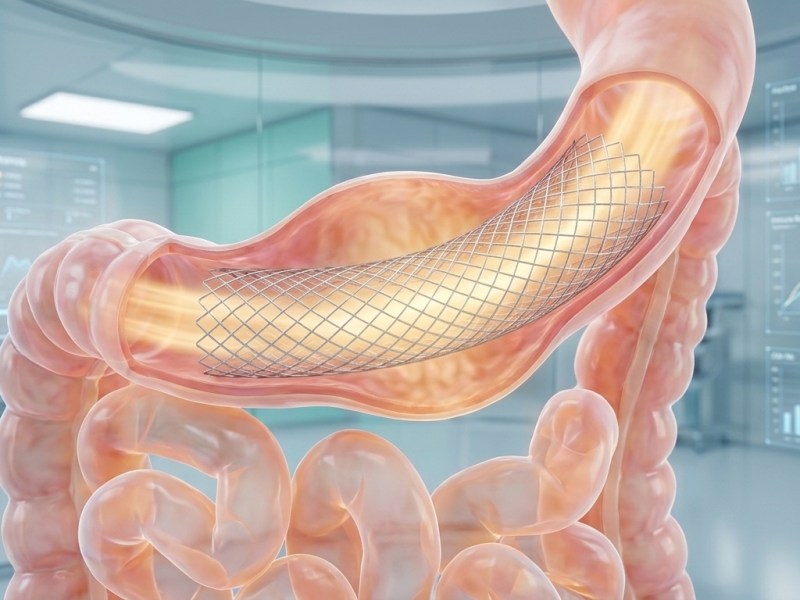
Temporary Metallic Stents Offer a Safer Way to Treat Crohn’s Bowel Narrowing
Can temporary metal stents open Crohn’s bowel strictures? A new 2026 pilot study of 5 patients tests self-expandable metallic stents left in place for one week, offering a gentler alternative to surgery for scar tissue narrowing.

The Silent Domino: How Hidden Cell-Death Signals Predict IBD Flare-Ups Before Symptoms Return
Why do IBD flares happen during deep remission? A landmark 2-year study in Science reveals a “smouldering” molecular defect where gut cells stay primed to die, opening new doors for early flare prediction and targeted prevention.
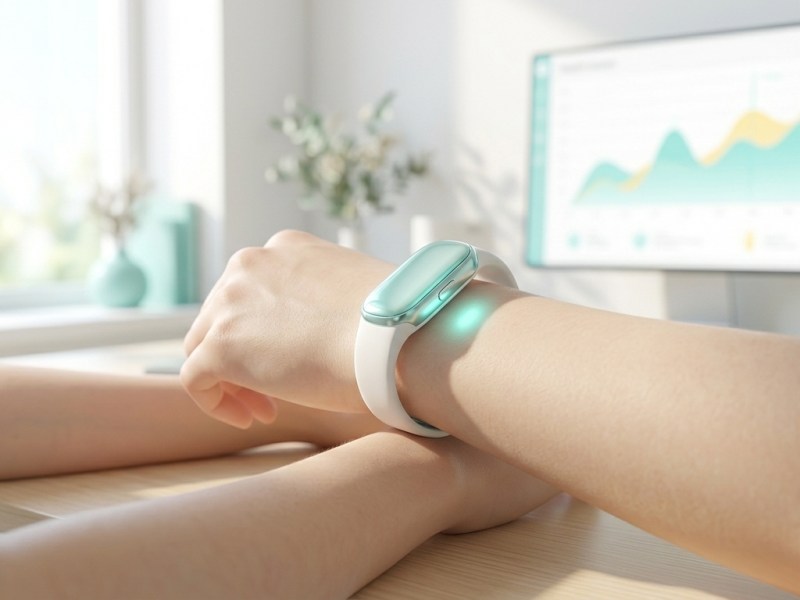
How a New Wearable Sensor Tracks IBD Inflammation in Real Time
Can a wearable sensor track gut inflammation through your sweat? A new 2026 study of 33 IBD patients shows that a small, non-invasive skin patch measures CRP and calprotectin continuously, offering a painless alternative to blood and stool tests.

Predicting Repeat Surgery: How a Key Tissue Protein and Smart Calculator Help Protect Your Bowel After Crohn’s Surgery
Can doctors predict if Crohn’s disease will return after surgery? A 2026 study of 280 patients reveals that measuring the integrin αvβ6 tissue protein creates a smart risk calculator to predict surgical recurrence and prevent repeat operations.
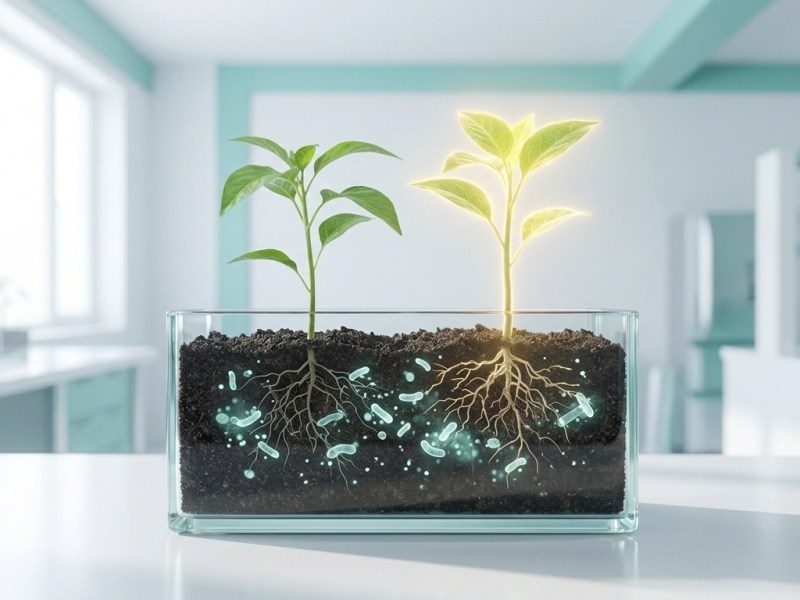
How Childhood Exposure to a Sibling with Crohn’s Disease Shapes Your Gut Microbiome
Does growing up with a sibling who has Crohn’s disease change your gut? A 10-year global study reveals that childhood exposure alters key gut bacteria, quadrupling disease risk and opening new doors for early prevention.
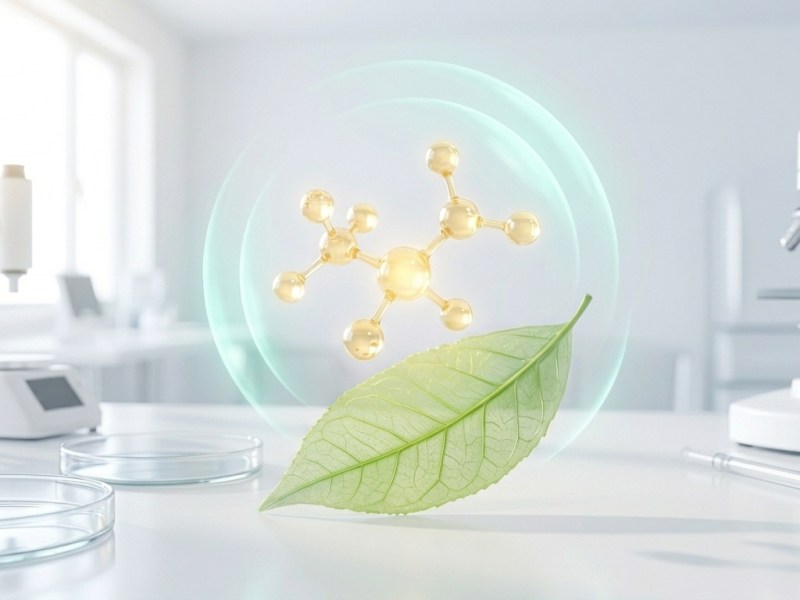
How Polydatin Re-balances Gut Immune Cells in Ulcerative Colitis
Can a natural plant compound reset your immune system? A 2026 preclinical study reveals how polydatin unlocks an internal antioxidant pathway (KEAP1-NFE2L2) to reduce inflammatory T cells and protect against ulcerative colitis.
Unlocking the J-Pouch Puzzle: Six Key Risk Factors for Chronic Pouchitis
What drives chronic pouchitis after J-pouch surgery? A major 2026 meta-analysis of over 4,200 ulcerative colitis patients identifies six key risk factors, from smoking and liver conditions to extraintestinal symptoms, helping you and your care team plan safer post-surgery care.

Strategies for Managing IBD When Treatment Options Seem Limited
What happens when standard IBD drugs stop working? Experts at the 2026 Crohn’s & Colitis Congress reveal why refractory disease requires checking for scar tissue, exploring combination therapies, and fixing hidden stoma complications.
How AI is Unlocking Early Intestinal Fibrosis Crohn’s Care
Can artificial intelligence prevent Crohn’s disease surgery? A new 2026 study uses generative AI to map 43 key genes and gut bacteria shifts linked to bowel scarring, opening the door for early diagnostic tests and anti-scarring treatments.

How Whole Foods Can Help Heal Your Gut in IBD
How does what you eat impact your IBD? A landmark 2026 review in BMJ Gut reveals how ultra-processed Western foods fuel gut inflammation, and why moving toward fresh, whole foods and Mediterranean-style eating offers a proven way to support deep healing.

Tofacitinib: When ‘Less is More’ on Your Ulcerative Colitis Journey
Can you safely lower your ulcerative colitis dose? The long-term follow-up of the randomized RIVETING trial reveals that 50% of patients successfully maintained remission on a reduced dose of tofacitinib, while those who relapsed safely recaptured remission by stepping their dose back up.

How Your Body Size History and Genes Cooperate to Shape Your Ulcerative Colitis Risk
Does your childhood weight history affect your adult gut? A massive 15-year study of over 260,000 people reveals how your physical growth trajectory and your “genetic scorecard” combine to influence your risk of adult-onset ulcerative colitis.

Why Your IBD Journey Affects Your Mental Health Long Before and After Diagnosis
A massive 16-year study of over 40,000 patients reveals that the risk of depression and anxiety rises up to three years before an IBD diagnosis is ever made. Learn how the gut-brain axis affects your journey and why early mental health support is vital.

Grieving a Lost Colon is a Hidden Part of J-Pouch Surgery
While J-pouch surgery is a life-saving “cure” for ulcerative colitis, the emotional reality is far more complex. A new qualitative study explores the “phantom colon” and reveals why grieving your lost organ is a vital part of your healing journey.

Busting the Biologics Myth: Why Steroids, Not Advanced IBD Drugs, Raise Your Risk of Winter Bugs
Do advanced IBD drugs make you a target for winter colds and flu? A three-year clinical study reveals that biologics do not raise your risk of viral respiratory infections, but common steroids like prednisolone do, prompting a rethink on how we manage flares.

How the 3D Shape of Your Genes Unlocks the Secrets of Crohn’s Disease Risk
Scientists have used a new “3D mapping” technology to show how DNA folds inside rare immune cells to trigger Crohn’s disease. This genetic breakthrough has uncovered over 100 risk genes and revealed a surprising link between your gut and your nervous system.
Robot Chefs and AI Doctors: Designing the ‘Perfect Meal’ for Your Gut Bugs
Engineers at Duke University are using autonomous robots and AI to design “dream teams” of bacteria and fibre. This breakthrough could lead to personalised gut treatments that actually survive in your microbiome to fight IBD inflammation.
Vitamin D Could Be the Secret to Repairing Your Gut
Can a vitamin help “glue” your gut back together? A new 2026 review explores how Vitamin D strengthens the gut lining and helps patients reach deep mucosal healing, offering a simple way to support IBD recovery.
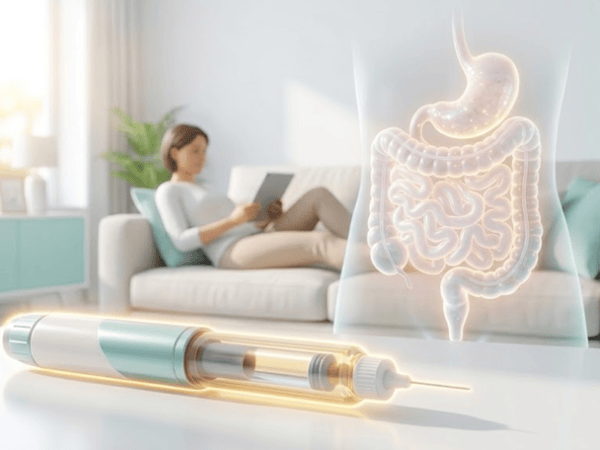
From Hospital Drips to Home Pens: Making the Switch to Under-the-Skin IBD Medicine Easier
Is it time to ditch the hospital drip? A new study evaluates the “access process” for moving from IV infusions to home-based injections, revealing how this high-tech switch can give IBD patients more freedom and better results.
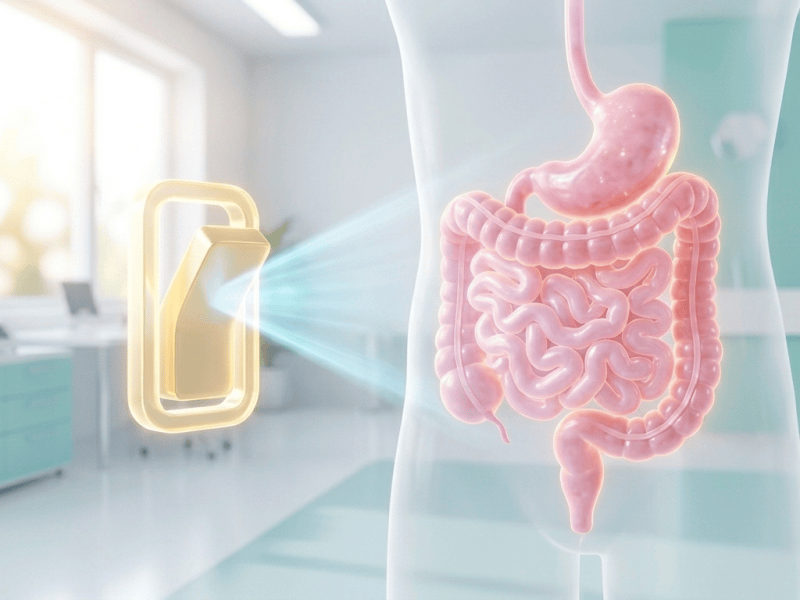
A New Protein Could Calm Crohn’s Disease
Scientists at the Mayo Clinic have discovered a natural “off switch” for the immune system called TRAILshort. This breakthrough could lead to new ways to calm the overactive immune response in Crohn’s disease and help patients reach deep healing.
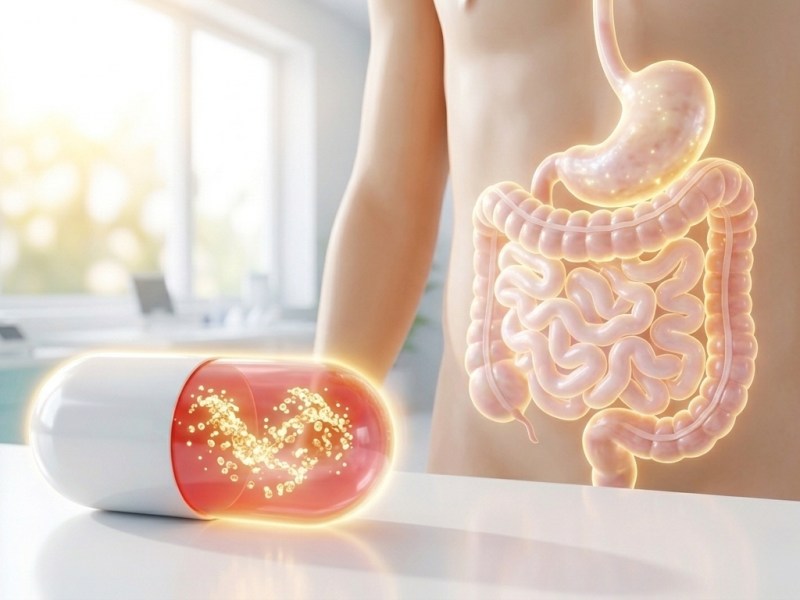
Why a Once-Daily Pill is Changing the Game for Asian IBD Patients
A major new study of Asian IBD practice reveals that the once-daily pill Upadacitinib is delivering “encouraging” real-world results. Learn how this high-tech treatment is helping patients reach deep healing without the need for hospital drips.
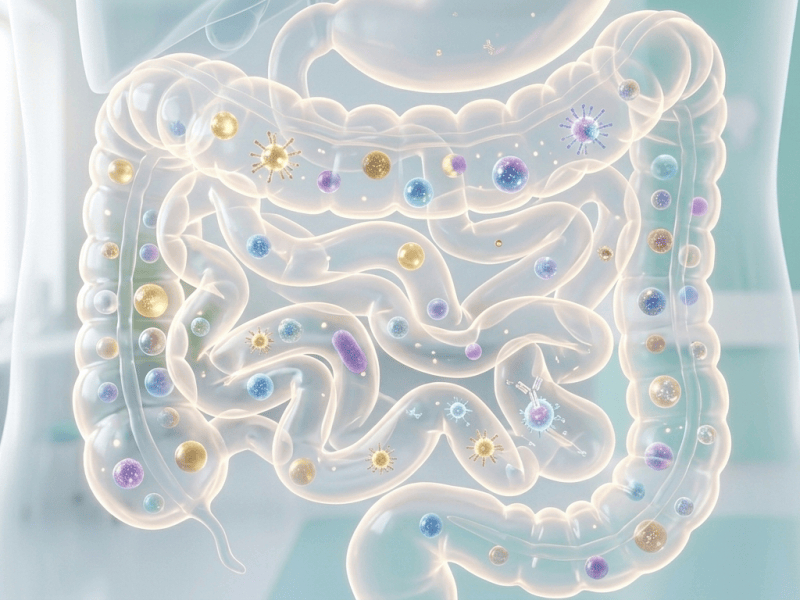
How Healthy Bacteria Rebuild Your Defences Against Ulcerative Colitis
A major 2026 scientific review reveals how stool transplants (FMT) can “reboot” the immune system in ulcerative colitis. Learn how “precision therapy” is moving toward designer bug mixes to help patients reach long-term remission.
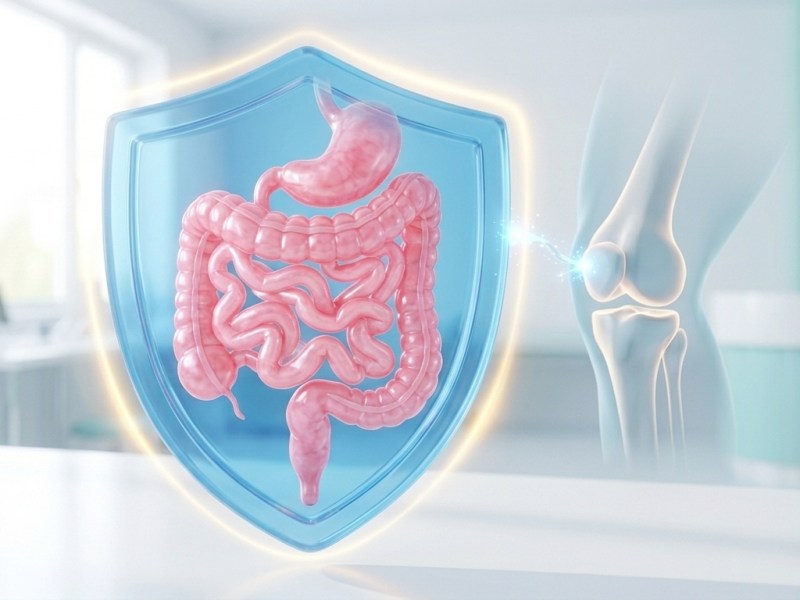
Why Your Crohn’s or Colitis Medicine Needs a Safety ‘Lookout’
A major 2026 review warns of “paradoxical autoimmunity” in IBD patients using Anti-TNF biologics. Learn why “risk-aware monitoring” is vital to catching skin and joint reactions early while keeping your gut in remission.
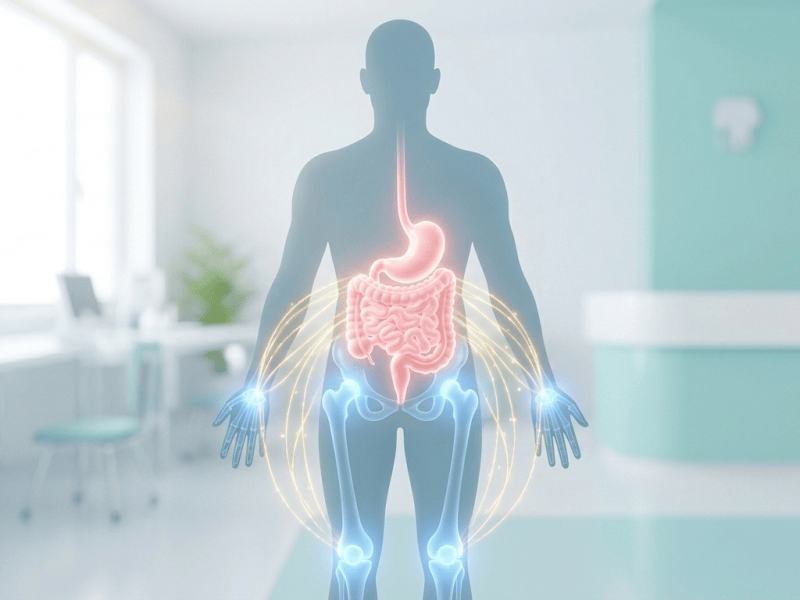
More Than a Gut Feeling: Why Scientists are Creating a New Map for Your IBD Joint Pain
Joint pain and stiffness are common in IBD, but doctors say we need a better “rulebook” to treat them. A new study highlights the urgent need for clearer classifications to help patients get faster, more effective care for symptoms outside the gut.
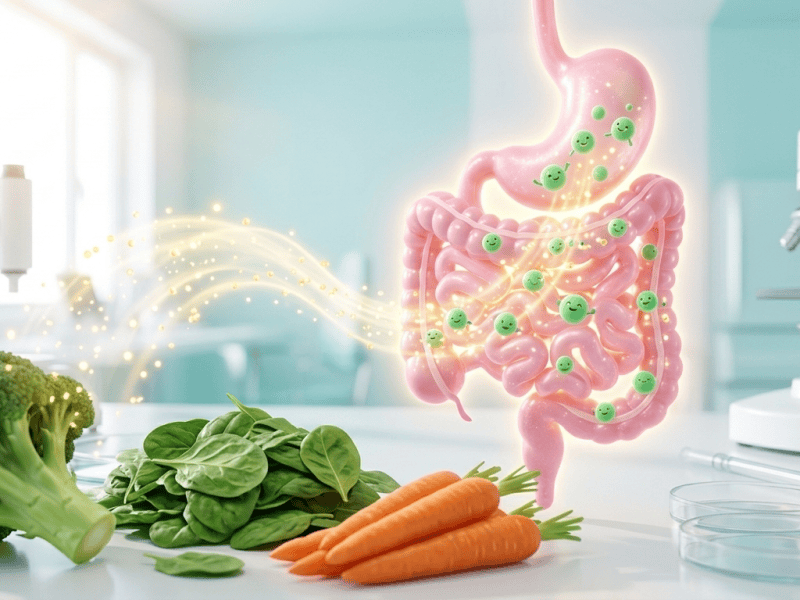
How Vegetables Rewire Your Gut Bugs to Fight Inflammation
Scientists have discovered “Prifs” (Proteins Imitating Fibre) in plants that stop gut bacteria from eating your gut lining. This July 2026 breakthrough explains exactly how a plant-based diet creates healing chemicals to fight IBD and inflammation.

New Study Reassures Patients about JAK Inhibitor Safety
A massive real-world study of US patients reveals that the UC pill tofacitinib is just as safe as traditional biologic injections. The research found no significant difference in the risk of heart attacks, strokes, or serious infections, offering new reassurance for patients.
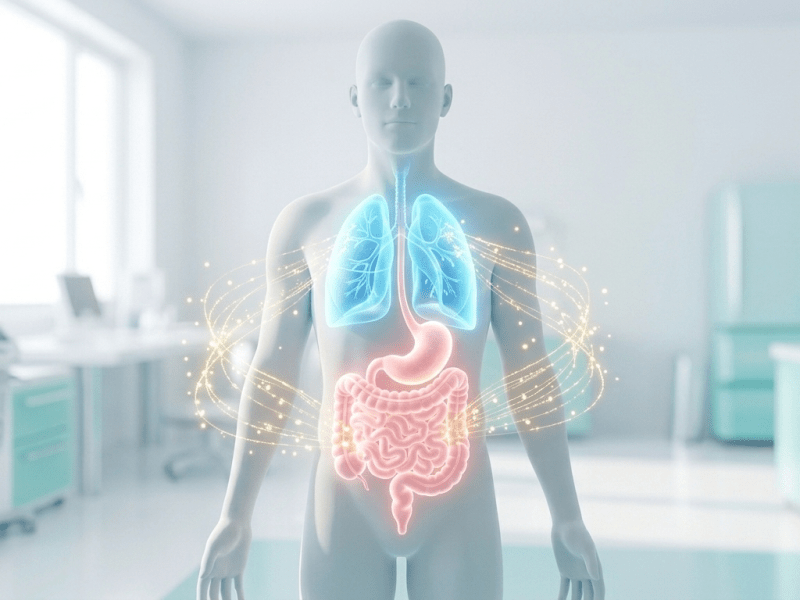
Scientists Confirm a Connection Between Ulcerative Colitis and Lung Health
A large-scale study confirms that ulcerative colitis is linked to a group of lung conditions called Interstitial Lung Disease. This breakthrough reminds us that UC is a whole-body condition, offering a new map for doctors to monitor and protect your lung health.
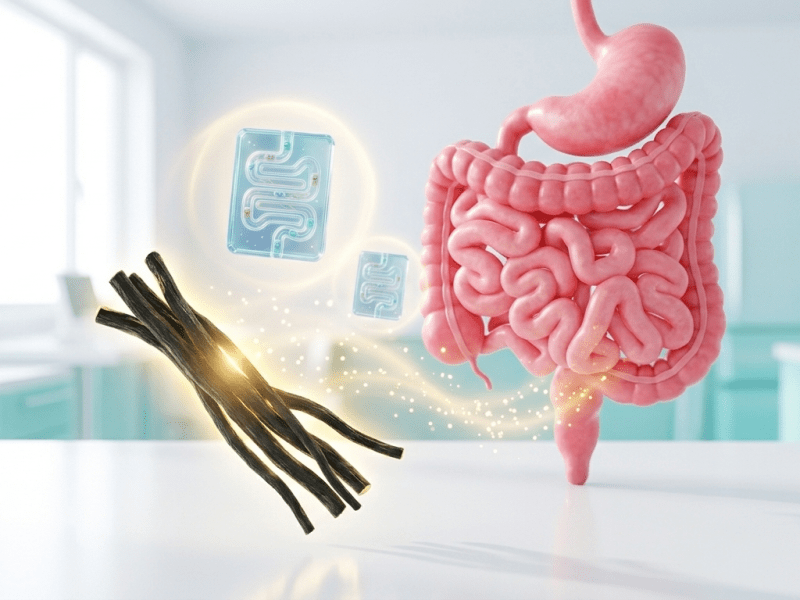
How a Black Liquorice Compound Could Shield Your Gut from IBD
Scientists using advanced “mini-gut” technology have discovered that a compound in black liquorice, called glycyrrhizin, can shield the gut from damage and inflammation, offering a potential new path for IBD treatments.
How a Simple Blood Test Could Track Your Gut Healing
A new 18-month study of 200 IBD patients reveals that specific blood markers can accurately predict when your gut has healed, offering a future with fewer colonoscopies and more personalised care.
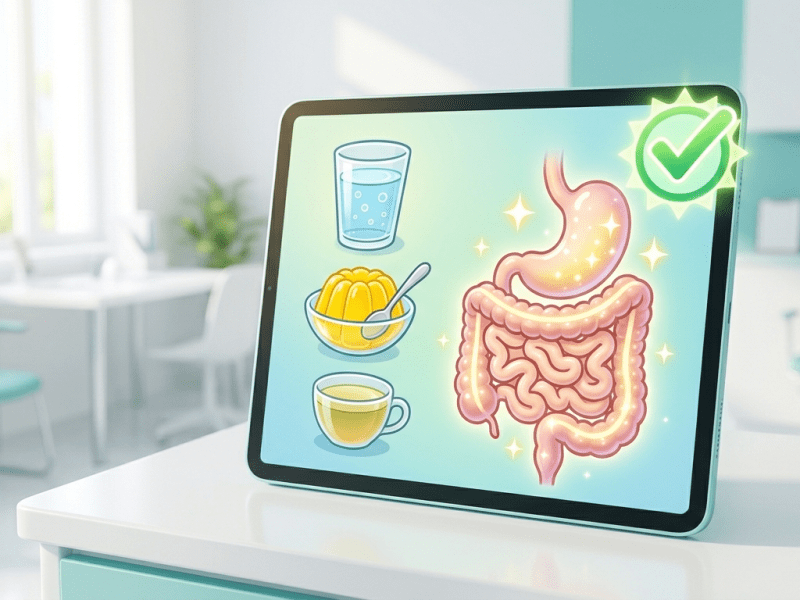
No More Re-Dos: Making Your Colonoscopy Prep Easier
A two-phase hospital project has successfully used AI-generated pictures and clearer instructions to make gut “preps” successful for 92 per cent of young patients, meaning fewer repeat procedures and better results.

