If you live with inflammatory bowel disease (IBD), you have probably wondered if that morning coffee or extra serving of veg is actually helping or hurting your gut. A new study has found that the answer lies in a high-tech “conversation” between the food you eat and the trillions of tiny organisms living in your digestive system, known as the microbiome.
What the Research Found
This was a medium-sized study that followed 198 adults over time. The group included:
- 49 patients with Crohn’s disease.
- 49 patients with ulcerative colitis.
- 100 healthy volunteers for comparison.
The researchers tracked the participants for six months, collecting detailed food diaries and stool samples at the beginning and the end of the study to see how their gut health changed.
How did they see the “invisible”?
To understand what was happening inside the gut, the team used a cutting-edge technology called shotgun metagenomic sequencing.
Think of this like taking a high-resolution “DNA census” of your gut. Instead of just looking for a few well-known bacteria, this technology reads every single scrap of genetic material in a stool sample. This allows scientists to see not only which microbes are there but also what jobs they are doing, such as whether they are busy making anti-inflammatory “fuel” or creating “fire” signals that cause flares.
Key Discoveries: Crohn’s vs. UC
The study found that patients with IBD generally ate fewer vegetables, fruits, nuts, and seeds than the healthy volunteers. However, the “good” bugs in the gut responded differently to diet in each condition:
- In Ulcerative Colitis: Diet worked by bringing “peace” to the whole community. A Mediterranean-style diet (rich in olive oil, fruit, and coffee) was linked to lower inflammation because it restored microbial diversity – meaning it helped many different types of “good” bugs thrive and reduced dysbiosis (an unhealthy imbalance of bacteria).
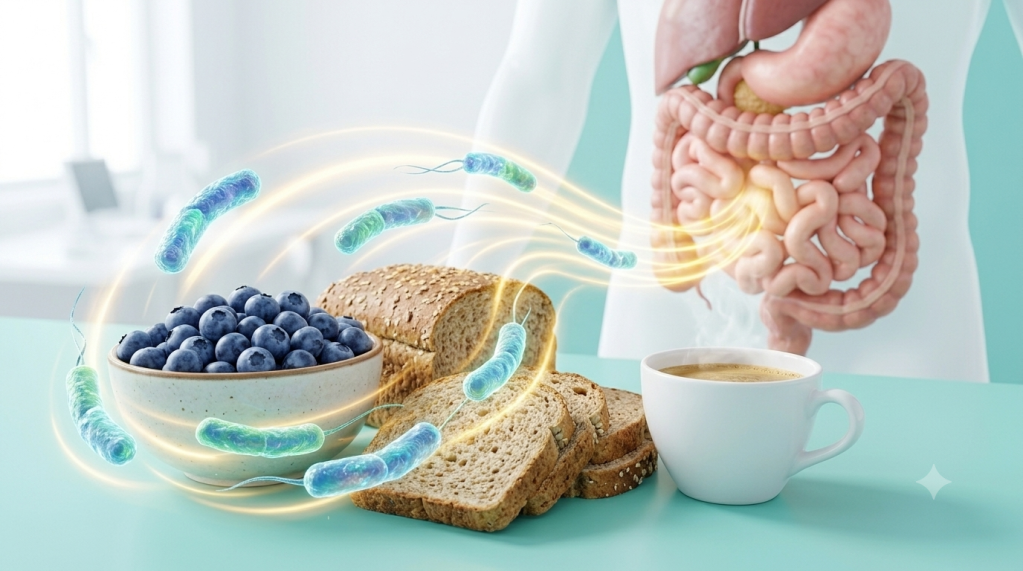
- In Crohn’s Disease: It was more about specific “specialist” bugs. For example, coffee and whole wheat bread were linked to lower inflammation, but they did this by boosting very specific types of bacteria (Bacteroides and Butyricimonas) that turn food into protective molecules called Short-Chain Fatty Acids (SCFAs).
Why This Matters to You as a Patient
This research is a huge step toward personalised nutrition.
- Diet as a ‘Companion’ Treatment: While medication is essential to stop a flare, this study proves that diet acts as a “support crew.” By choosing nutrient-rich foods, you are helping your gut bugs create the natural “anti-inflammatories” your body needs to stay in long-term remission.
- No ‘One Size Fits All’: Because the microbiome behaves differently in Crohn’s and UC, your diet plan might need to be different from someone else’s. In the future, a doctor might use a microbiome test to tell you exactly which foods your specific gut bugs need to thrive.
- Real Results: The study showed that “good” dietary habits were directly linked to lower levels of C-reactive protein (CRP) and faecal calprotectin – the two main markers doctors use to check if your IBD is active.
While more long-term research is still needed, this study gives patients the scientific proof that what they put on their plate can help drive their journey toward health.
Explore the Research
- Original Study: Diet-microbiome links in IBD inflammation.
- Microbiome News: New project investigates gut microbiome for personalised therapies.
- Related Reading: Can a 5-day fasting diet help Crohn’s?.


Leave a Reply