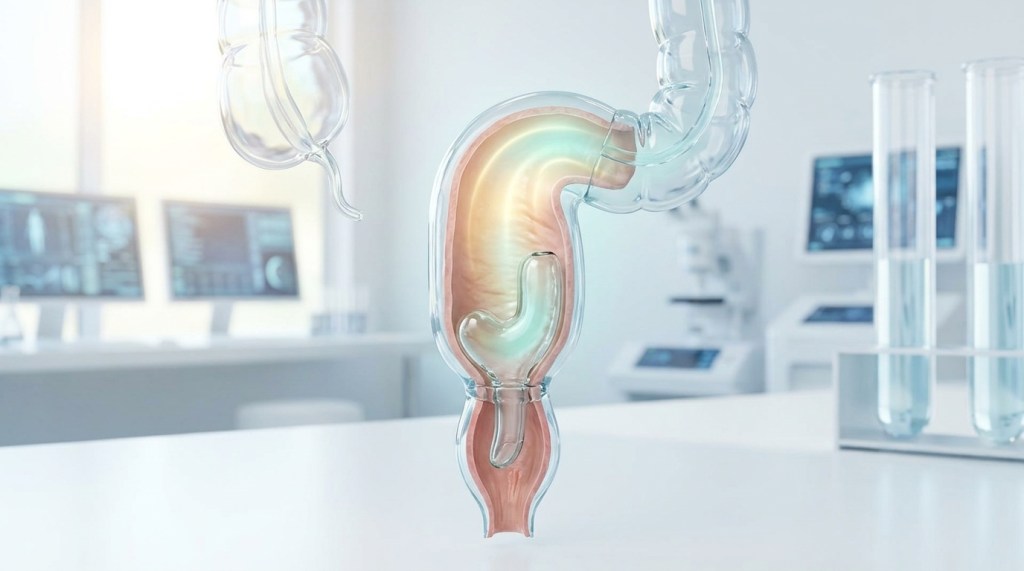
If you have undergone surgery for ulcerative colitis to remove your large bowel, receiving an ileal pouch-anal anastomosis (commonly known as a J-pouch) is a life-changing procedure. A J-pouch is an internal reservoir constructed by a surgeon using the end of your small intestine (the ileum) to replace your removed colon. It connects directly to your anus, allowing your body to store and pass waste naturally without needing a permanent external ostomy bag.
While having a J-pouch restores your digestive continuity and eliminates ulcerative colitis from your colon, living with a pouch brings new questions about daily nutrition. Many people notice that certain foods alter their stool frequency, cause wind, or provoke urgency.
A new study brings clear, evidence-based insights into what patients with a J-pouch actually eat, highlighting how tailored nutrition can help keep your pouch healthy and comfortable.
Demystifying the Science: Pouch Anatomy and Study Methods
To understand how diet interacts with a J-pouch, it helps to break down the medical terms and research tools used in the trial:
- Ileal Pouch-Anal Anastomosis (IPAA / J-Pouch): A specialised surgical construction where the final section of your small intestine is folded and stitched into a ‘J’ shape to create an internal pouch that acts like a new rectum.
- Pouchitis: The most common complication of a J-pouch. It is an episode of active inflammation in the pouch lining that causes increased bowel frequency, watery stools, pelvic cramps, and urgency.
- Cross-Sectional Comparative Study: A research design where scientists collect detailed dietary data, physical measurements, and symptom scores from participants at one specific point in time, comparing pouch patients directly against other health groups.
- Dietary Recall and Food Frequency Diaries: Standardised nutritional tools where patients record every meal, snack, and drink consumed over set periods. Specialist dietitians then analyse these records using computer software to calculate exact intakes of calories, protein, soluble fibre, and key micronutrients.
Inside the Study: Real-World Dietary Analysis
This project was a moderate-scale cross-sectional comparative study conducted by a research team led by Dr Emre Kılıç and Dr Sabrina Just Kousgaard at Aalborg University Hospital in Denmark.
The study examined the daily dietary habits and nutritional intake of adult patients living with a mature J-pouch, evaluating how food choices correlated with pouch function, stool frequency, and overall quality of life. By comparing patient food logs against national dietary recommendations, the researchers pinpointed common nutritional gaps and food avoidances across the patient cohort.
Key Discoveries: Dietary Patterns and Pouch Function
The research team uncovered several important patterns in how people eat after pouch surgery:
- Widespread Food Avoidance: A large majority of J-pouch patients reported voluntarily restricting specific foods out of fear that they would trigger loose stools, gas, or pouch irritation. Frequently avoided items included spicy dishes, raw vegetables, high-fat foods, and carbonated drinks.
- The Soluble Fibre Gap: Many patients significantly reduced their intake of dietary fibre to slow down bowel movements. However, the study highlighted that cutting out too much fibre can deprive friendly pouch bacteria of the raw materials they need to produce protective short-chain fatty acids, which keep the pouch lining healthy.
- Difference Between Normal Pouches and Pouchitis: Patients suffering from active or recurrent pouchitis tended to consume fewer fresh fruit servings and fewer natural antioxidants compared to those with well-functioning, calm pouches.
- Micronutrient Considerations: Because waste moves through the small intestine faster without a colon, patients with a J-pouch showed lower absorption rates for certain vitamins and minerals, reinforcing the need for targeted nutritional monitoring.
Why This Matters to You as a Patient
If you are living with a J-pouch or preparing for restorative pouch surgery, this research provides practical, reassuring guidance for your everyday life:
- Proof That Food Choices Shape Your Pouch Health: This study shows that what you choose to put on your plate directly influences how comfortable and stable your J-pouch feels each day.
- Finding the Right Balance with Fibre: You do not need to avoid all fruit and vegetables out of fear of frequent bowel movements. Working with a specialist dietitian allows you to introduce soluble fibre (such as cooked oats, peeled apples, and well-cooked root vegetables) that thickens stool consistency without irritating your pouch.
- Protecting Yourself Against Pouchitis: Knowing that a diet rich in natural antioxidants and balanced nutrients supports a calm pouch lining empowers you to build a varied, enjoyable eating plan. You can explore practical ways to support your gut alongside your surgical team.
By taking a thoughtful, balanced approach to your daily diet, you can nourish your body with confidence and enjoy long-term comfort with your J-pouch.


Leave a Reply