For some people living with Crohn’s disease or ulcerative colitis, there comes a time when medicine isn’t enough, and a colectomy (an operation to remove part or all of the colon) becomes the best path to health. While surgery can be a “fresh start,” the recovery process is different for everyone.
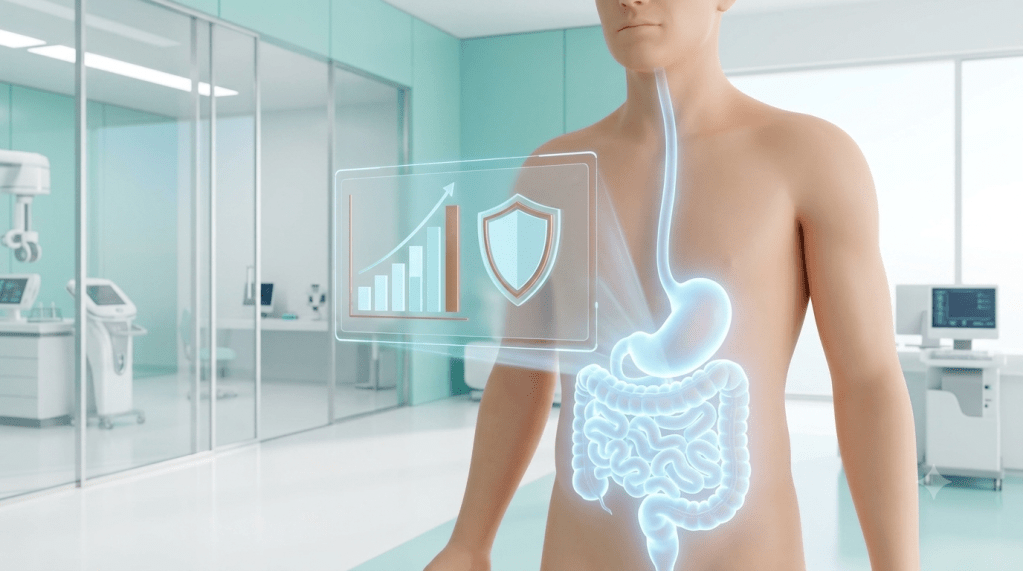
A large-scale study published in the International Journal of Colorectal Disease has shown how Artificial Intelligence (AI) can now help doctors predict which patients might need extra support after their operation.
What the Research Found
This was a major study that analysed data from 7,535 patients over a four-year period (2018 to 2022). Researchers used “machine learning” – a type of AI that finds patterns in data – to look at what happened to patients after they had a non-emergency colectomy.
They wanted to see who had “increased healthcare resource utilisation.” In plain English, this means patients who:
- Needed to go to a rehabilitation centre instead of straight home.
- Had to be readmitted to the hospital within 30 days.
- Had to stay in the hospital longer than originally expected.
The AI discovered that 1 in 3 patients (33%) fell into this category. Most importantly, the computer was able to predict who these patients would be with 73% accuracy just by looking at three simple blood test results: albumin (a sign of nutrition), hematocrit (red blood cell levels), and creatinine (kidney function).
Why This Matters to You as a Patient
If you are preparing for inflammatory bowel disease (IBD) surgery, this research is a powerful tool for your personalised care plan.
- Removing the “Guesswork”: Instead of doctors relying only on their “gut feeling,” they can use these AI models to get a clear picture of your specific risks. If the AI flags that you might need a longer stay, your medical team can arrange for extra nursing care or physical therapy before you even enter the operating theatre.
- Preparing for Home Life: Knowing ahead of time if you might need to go to a recovery centre rather than straight home allows you and your family to make arrangements. This reduces stress and ensures you aren’t rushing to find help at the last minute.
- A Focus on Nutrition: Because the AI found that albumin (protein) levels were a top predictor of success, it highlights how important it is to work with a dietitian to “bulk up” your nutrition in the weeks leading up to surgery.
By using technology to look ahead, doctors can ensure that every patient gets the right amount of care at the right time, making the journey from the hospital bed to your own front door as smooth as possible.
Explore the Research
- Original Article: Machine learning prediction of increased healthcare utilisation in colectomy for IBD.
- Related Reading: Colectomy risk high after ulcerative colitis hospitalisation.


Leave a Reply